Become a foster carer
Give a pet the time, space and care they need to get ready for their new home.
Why foster care matters
Some animals aren’t quite ready for adoption yet. They might be recovering from surgery, still too small to be desexed, or simply finding shelter life a bit much. As a foster carer, you give them a calm, safe home in Melbourne for a little while, so they can grow, heal and build their confidence before they meet their new family. We’ll be with you every step of the way, with supplies, vet care and a friendly team to call on.
Animals who need foster care
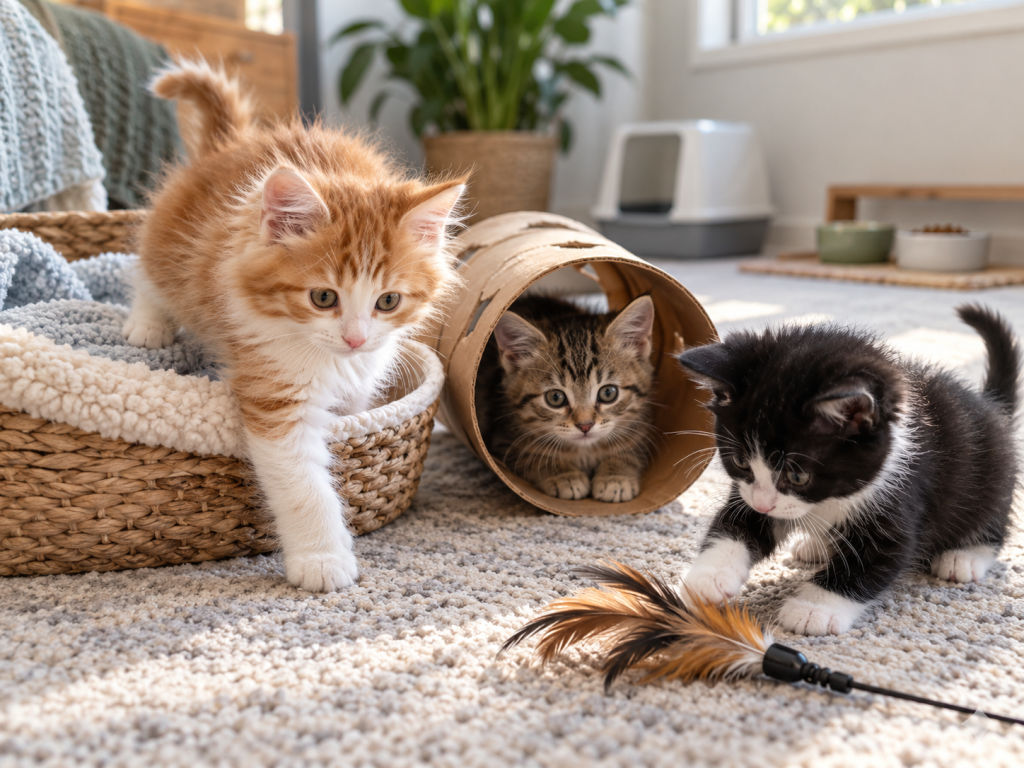
Most of our foster animals are kittens. Many arrive very young and need to grow to 1 kg before they can be desexed and adopted. Sometimes it’s a mum with her litter, an injured animal who needs somewhere quiet to recover or, now and then, very young puppies.
Dogs often need a foster home while they recover from an operation, to have a break from the Adoption Centre, or as part of our Emergency Welfare Assistance Program.
There are four types of foster care: juvenile, rehabilitation, behavioural and respite. A placement might last a few weeks or a little longer, and we’ll always chat with you about timing first.
Caring for kittens and puppies
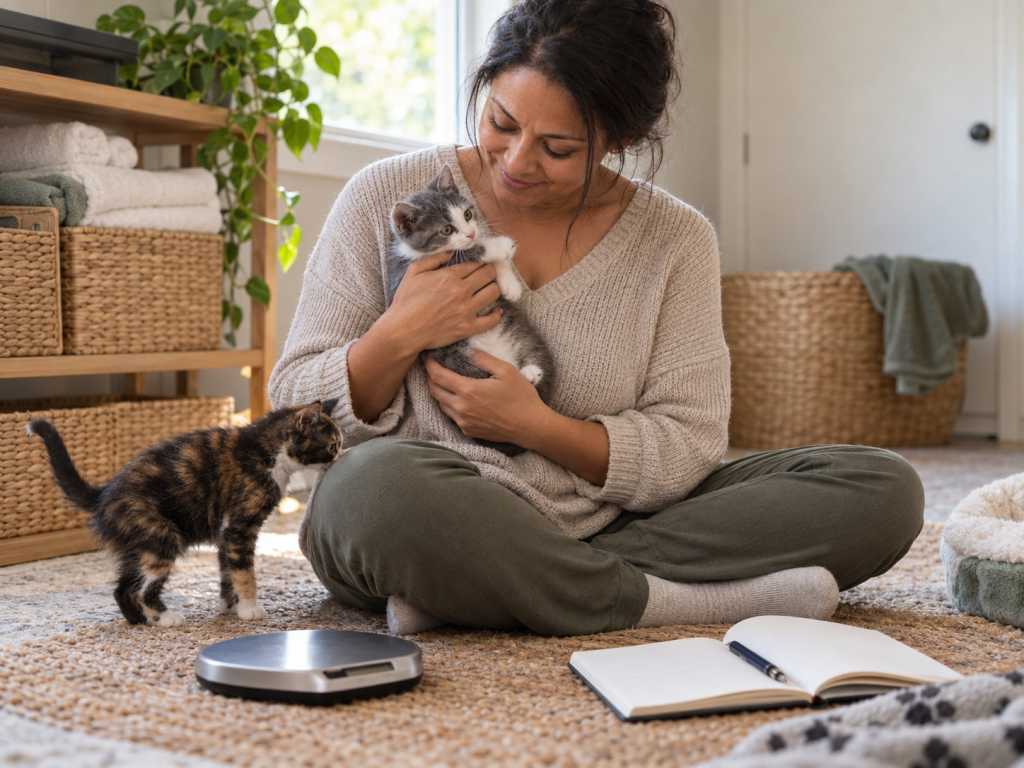
Little ones need regular feeds, a clean space and lots of gentle handling and new experiences. They learn the most in their first nine weeks, so the time you spend with them really counts. A spare room, ensuite or laundry makes a great home base, with time to explore the rest of the house each day.
- Keep them indoors. They can’t control their temperature well, and most aren’t fully vaccinated yet.
- Keep them away from public places, as young animals pick up illnesses easily.
- Always supervise children around foster animals.
- Weigh them regularly and bring their records along to check-ups.
- Walk foster dogs on a lead at all times, and only you should walk them.
What you’ll need
You don’t need to be an expert to become a foster carer. You’ll just need:
- A safe, secure home
- Time each day to care for your foster animal
- Reliable transport for vet visits
- To follow our care guidelines and the Code of Practice for the Management of Dogs and Cats in Shelters and Pounds
What we provide
We’ll take care of the essentials, so you can focus on giving your foster animal plenty of love and attention. You’ll receive:
- Food and feeding supplies
- Litter trays, bedding and enrichment toys
- Any medication your foster animal needs
- Vet care at Lort Smith
- Ongoing support from our foster care team
Our foster care program is based at the Adoption Centre in Campbellfield, where most vet visits happen too. Now and then, your foster animal may need to visit our North Melbourne hospital.
Call the Adoption Centre Duty Supervisor on 03 9287 6433 during Adoption Centre hours, or the Animal Hospital on 03 9328 3021 at other times. In an emergency, bring them straight to our North Melbourne emergency department.
Please don’t take foster animals to your own vet. Their care is our responsibility, so we’ll look after any treatment they need here.
Frequently Asked Questions
Do I need to be home all day?
No, you don’t. As long as you can spend time with your foster animal every day, it’s fine to head out for work and your other commitments.
Can I foster if I already have pets?
Yes. Plenty of our foster carers have pets of their own. Just make sure your pets are up to date with their vaccinations, and keep them separate from young foster animals. Some adult cats and dogs may not be thrilled about the new arrivals, so it’s best to take things slowly.
What if my foster animal damages something?
Animals who aren’t supervised can scratch, chew or soil things around the house. Please keep your foster animal safe and supervised, as Lort Smith isn’t able to cover damage to your property. We’re happy to share tips to help you minimise risks and keep your home safe.
What if my foster animal escapes?
Let us and your local council know as soon as possible. We’ll support you with the next steps, including searching and any reporting that’s needed.
What happens if my foster animal becomes very sick?
Young kittens can get sick, and cat flu in particular spreads easily between cats. If your foster animal shows any unusual symptoms, call us and bring them back to Lort Smith straight away. You can always phone the Adoption Centre or our nursing team for advice. Sadly, some animals become very unwell or don’t recover from an injury, and a vet may decide that euthanasia is the kindest option. As an adoption centre, we follow the Victorian Code of Practice for Pounds and Shelters, which doesn’t allow animals with ongoing health or behaviour problems to be rehomed. We know this can be the hardest part of fostering, and we’ll be there to support you.
Who owns my foster animal?
Foster animals remain the legal property of Lort Smith, so any decisions about their future are made by our team.
Ready to foster?
Apply online to join our foster care family. We’d love to hear from you.